The Grimoire & the Ten Volumes
Ten mechanisms of capture, five strata, one final treatise. Each volume stands alone; the Grimoire condenses them all.

Four concentric circles of dependency — matter, law and software, information, the human — condensed into 34 self-contained pages. The third refinement of the Dindon Corpus: over seven hundred pages of investigation, distilled into ten volumes, themselves smelted into a single treatise. Every documented trap has its countermeasure, and every countermeasure its acknowledged cost.
READ THE GRIMOIRE →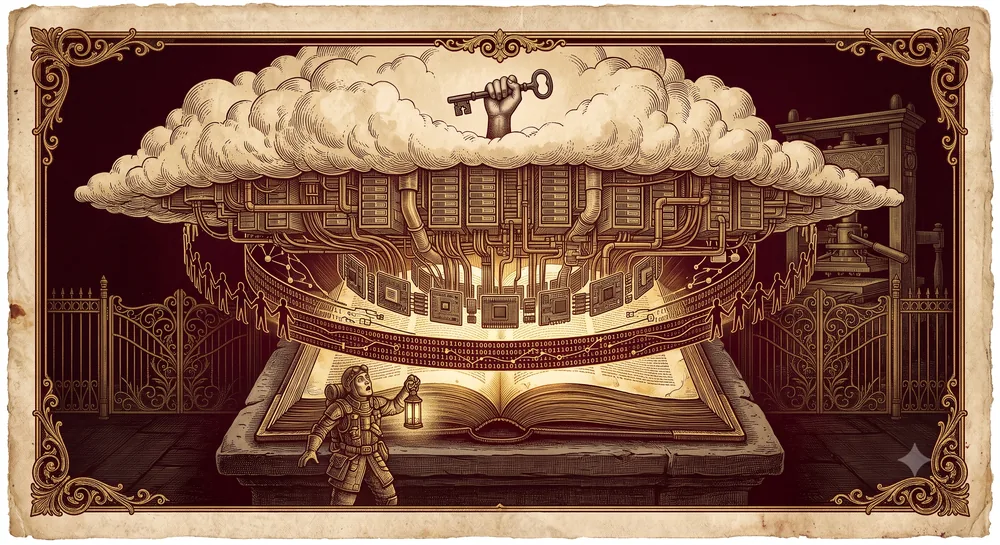
The cloud never existed — there is only silicon elsewhere, owned by someone else. The ASML/TSMC duopoly, hidden firmware (Intel ME, AMD PSP), the screwdriver monopoly, the energy constraint: the chain of hardware dependency, link by link, and its reconquest — open firmware, the OCP standard, Grade-A refurbished hardware.
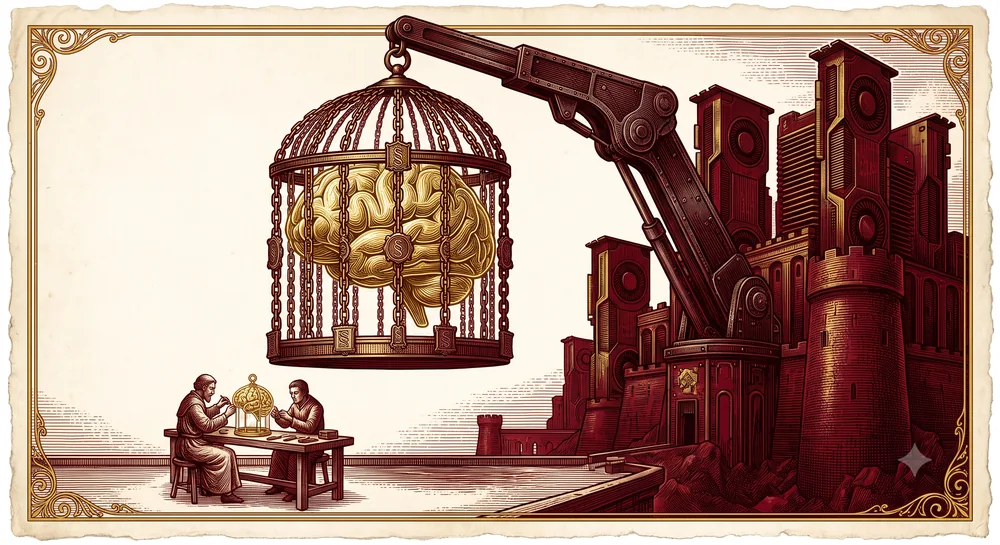
Enterprise AI is not a detachable thinking machine: it is a revocable concession backed by a silicon factory and weights the client will never own. The probabilistic black box, the inference-cluster barrier, Arrow's paradox — and the answer: the specialized model compiled locally, with its acknowledged cognitive cost.
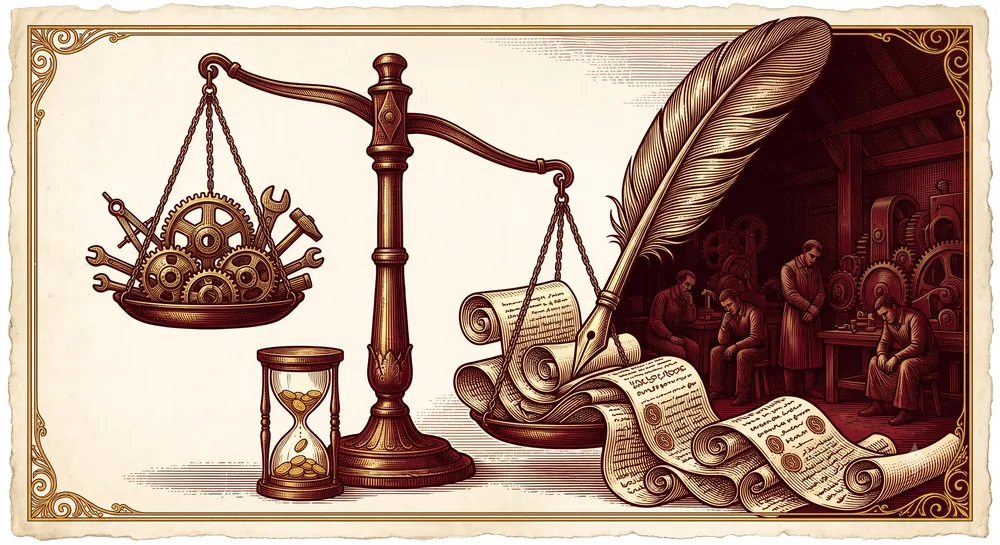
A four-chapter thesis: the shift from CapEx to OpEx disembodies physical cost (IFRS 16), elasticity subsidizes algorithmic laziness (Jevons' paradox), and multi-year commitments financially punish successful optimization. FinOps becomes the clinical symptom of lost architectural control — the bill steers instead of the code.

Data lock-in is not about the data itself, but about what it attracts: compute, governance, models, pipelines. Data gravity (McCrory), switching costs (Klemperer), the Data Act that frees the byte but not the ecosystem — and the low-gravity architecture: deliberate fragmentation, open formats queryable in place, acknowledged cost.
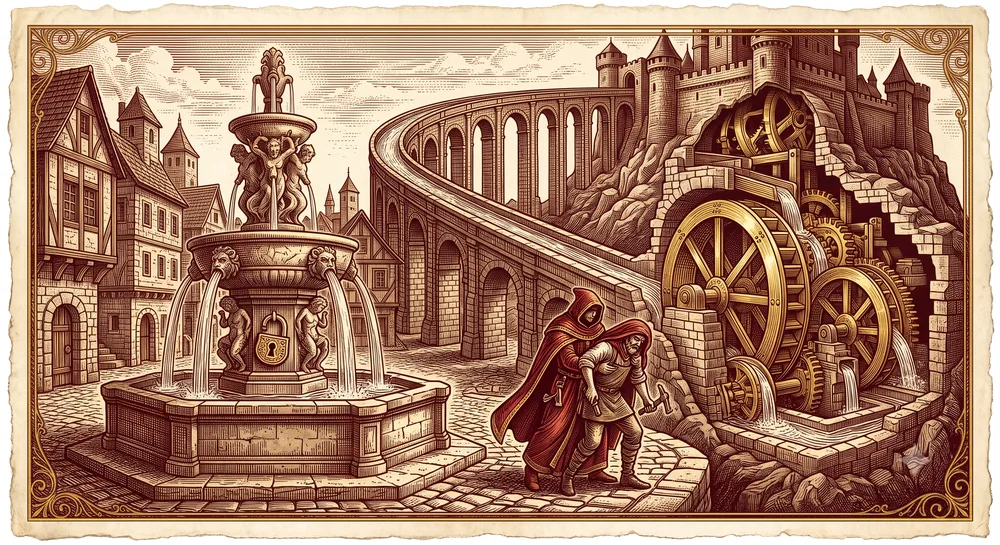
A license protects a right to read — never the interface being cloned, the usage being observed, the commit that redirects the project, or the maintainer being hired away. Four documented relicensing events (Elastic, MongoDB, HashiCorp, Redis), three pillars of capture, and the reconquest: neutral governance, an emulation ban, telemetry blackholing.
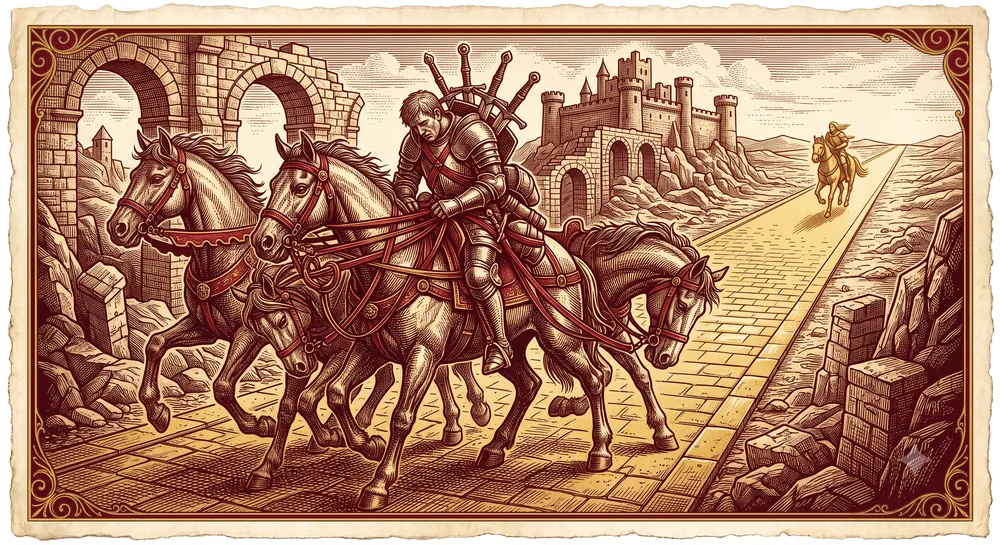
Multi-cloud is not a sovereignty strategy: it is a measurable multiplication of complexity that fails to deliver the promised reversibility. Lowest common denominator, duplication tax, organizational fracture (Conway) — and topological sovereignty: deliberate concentration, reversibility through data, never through execution.
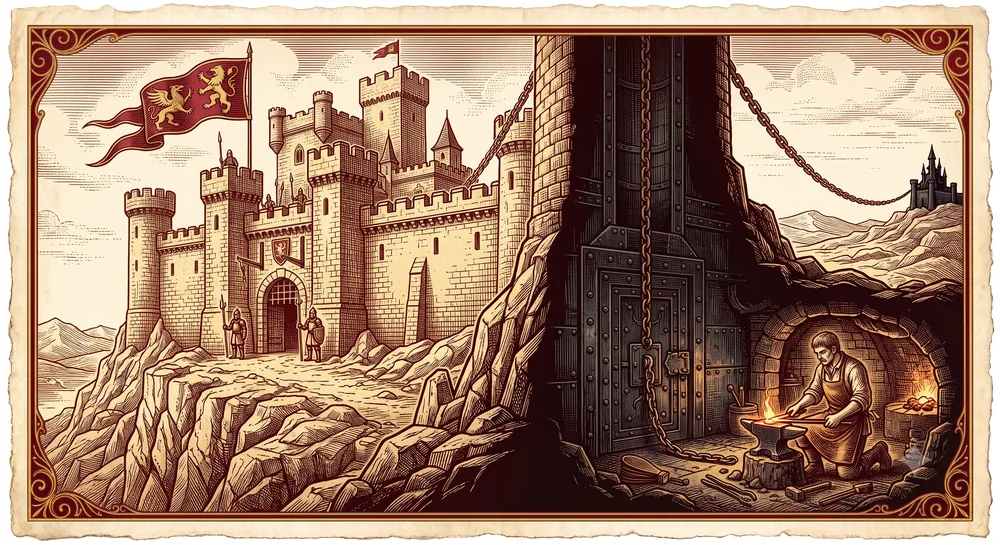
Commercial sovereignty stops at the datacenter door; real sovereignty is decided one layer down — the orchestrator and the contract protecting it. Bleu, S3NS, AWS ESC: the opacity of the control plane, residual control rights (Grossman & Hart), and the architecture of autonomy: compile locally, isolate the flows, accept the functional freeze.
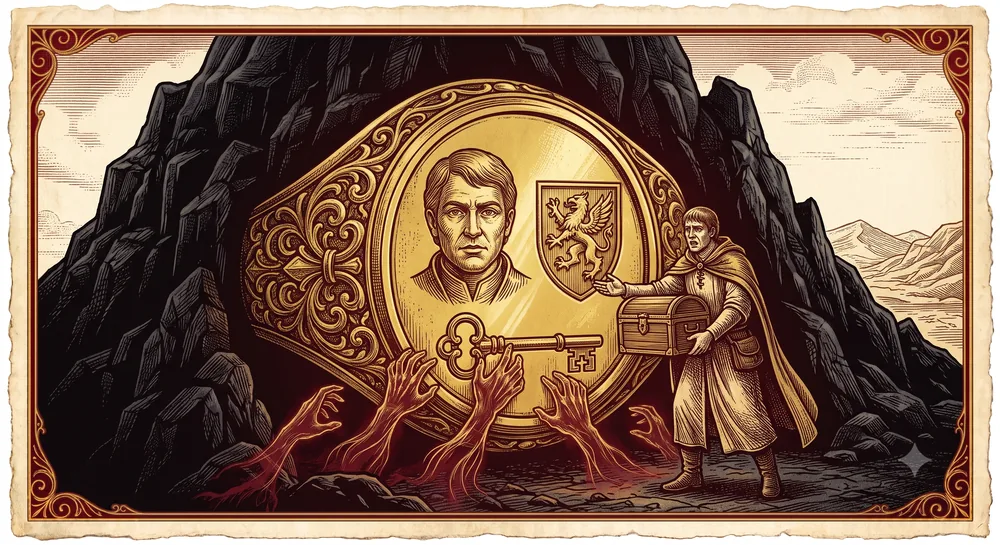
An IAM identity is not a file you export: it is a living relationship inside the provider's trust graph. The encryption key never leaves the HSM — at all three hyperscalers. The last lock, outside the scope of the Data Act, and its partial workaround: SPIFFE/SPIRE, an independent vault, with its documented ultimate limit.
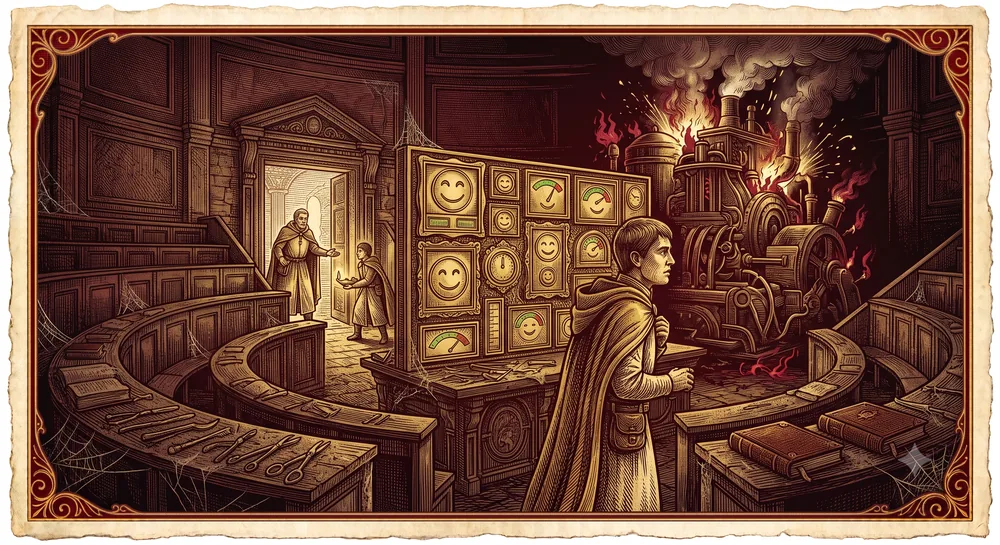
Abstraction did not make engineers incompetent — it made invisible the moment causal diagnosis stopped being practiced. NoOps, newspeak, the departure of the last person who knew, the tyranny of the runbook, the orchestrator incinerating the crime scene — and the reconquest: technical primacy, master-craftsman apprenticeship, degraded Game Days.
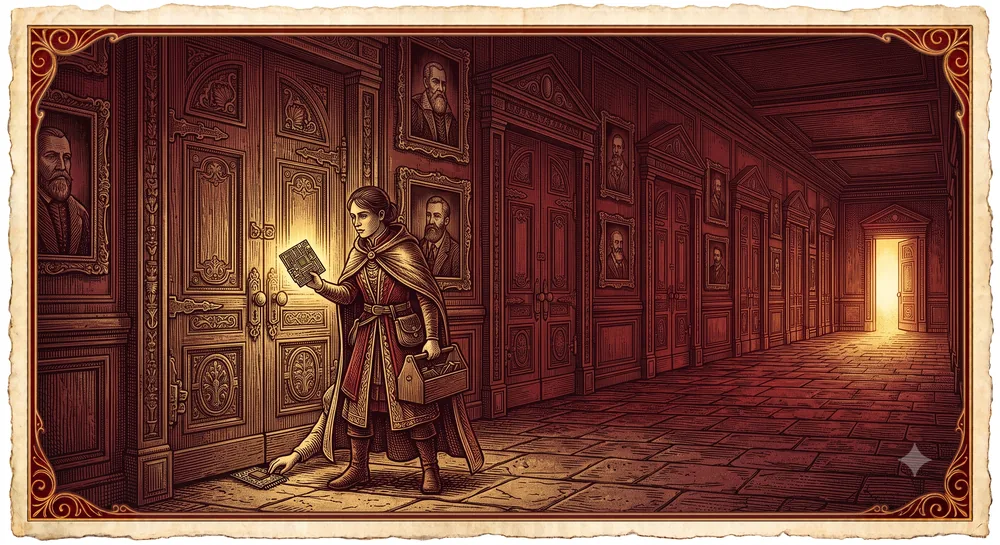
Fewer than 5% women in some infrastructure tracks, versus ~50% elsewhere. Not a single cause: a chain of closed doors — hardware standards never tested on a diverse body, verifiable documentation bias, a trajectory pushed toward abstraction, the sole-witness burden, scarce sponsorship. And concrete solutions, from Arduino in middle school to auditing who actually holds power.